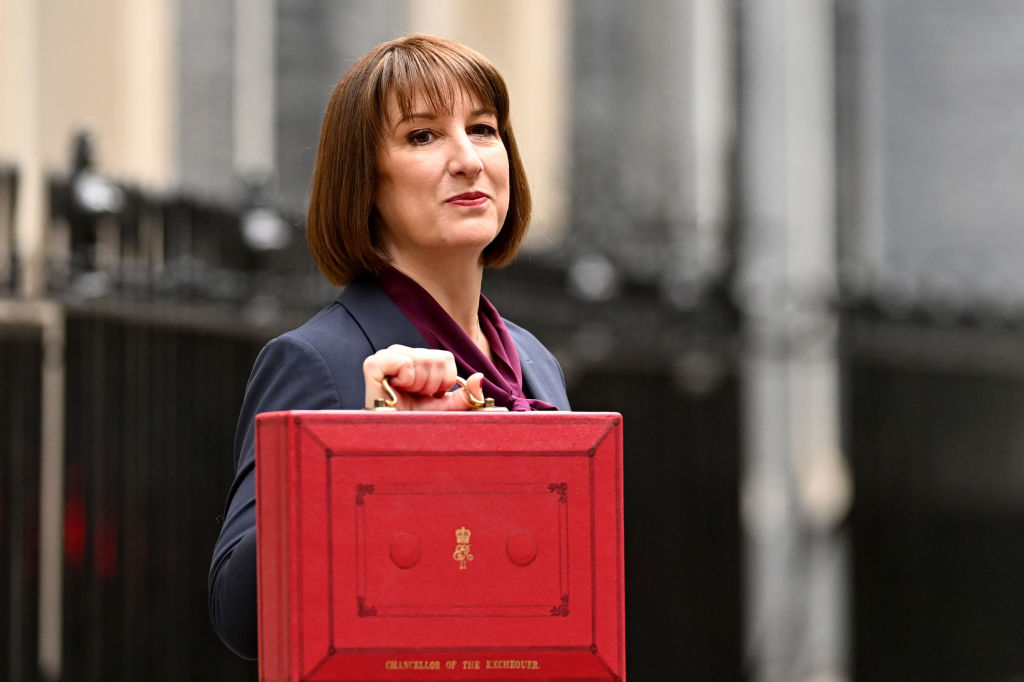
The Chancellor delivered the Spring Statement earlier this afternoon, deliberately framing it as a low-key affair – an interim update rather than a full fiscal event. In conjunction, the Office for Budget Responsibility (OBR) published its latest economic forecast, predicting that economic growth will amount to 1.1%, down from 1.4% at the Autumn Budget.
Rachel Reeves has been clear that today’s statement would not amount to a budget with tax or spending measures, with the Government committing to deliver just one major fiscal event a year to reduce policy volatility and avoid reactive decision-making. Yet even a so-called “non-event” carries political significance, as a new five-year OBR forecast inevitably invites scrutiny of the Government’s fiscal headroom, reopening familiar debates around taxation, borrowing, and the sustainability of public finances.
A weaker short-term outlook
The headline news is a downgrade to near-term growth: the UK economy is now projected to grow 0.3% less than previously forecast. That said, there is modest comfort for the Government in the medium-term projections, with growth expected to reach 1.6% in 2027 and 2028 – slightly stronger than previously anticipated – while inflation is forecast to average 2.3%this year before returning to the 2% target in 2027. However, Reeves cautioned that escalating conflict in the Middle East has rendered the outlook “yet more uncertain” – underlining how exposed the UK remains to geopolitical shocks.
Fiscal headroom – improved, but fragile
While there is no formal fiscal rules assessment today, the underlying numbers still matter.
Borrowing headroom against the rule not to fund day-to-day spending with new government debt has increased from £21.7 billion to £23.6 billion, and the margin against the rule requiring debt to fall as a share of GDP has risen to £27.1 billion.
In isolation, this suggests slightly greater breathing room, however the margin remains tight. Weaker migration forecasts may dampen labour supply and tax revenue, and uncertainty persists over tax performance despite recent strong wage growth. A modest shift in either direction could quickly erode the Chancellor’s margin for error.
Small policy adjustments
There were no major tax rises or spending cuts. Instead, the Statement included modest recalibrations, such as a further softening of inherited farmland tax plans – reducing expected revenues by £100m per year.
Additionally, the easing of business rates for pubs and music venues in England is expected to cost the Exchequer an additional £100m annually. These are marginal in macroeconomic terms but politically symbolic, reflecting sensitivity to sectoral pressures and rural concerns.
A “non-event” with consequences
The broader political backdrop adds to the Statement’s significance. Growth is weak, dividend tax concerns linger after last autumn, and speculation over Keir Starmer’s leadership injects additional sensitivity into any fiscal communication. Even a cautious, non-fiscal update risks being interpreted as a signal about the Government’s strategic direction.
The Spring Statement was designed to be procedural – an exercise in transparency rather than transformation.
There were no dramatic revenue raisers, no sweeping spending cuts and no redefinition of the fiscal framework. Yet subdued growth, tight headroom, and global uncertainty ensure that this remains more than a technical update. Markets will scrutinise the OBR’s projections, and businesses will assess the trajectory of borrowing and taxation.
In short, this may have been billed as a fiscal non-event, but in a fragile economic climate, even incremental updates carry economic and political weight, offering opportunities for public affairs engagement with decisionmakers seeking solutions.
Experts in effecting change
The Whitehouse team are expert political consultants, providing public affairs advice and political analysis to a wide range of organisations in the UK and across the EU.
Whether you’re working in the UK, EU, or both - get in touch with us to discuss how we can support your business.
For enquiries or to discuss how we can support your business, please contact us at info@whitehousecomms.com.